Random Number Generator Wheels – Spin to Pick Any Number
The Numbers category on Spin The Wheel Random Picker offers seven random number generator wheels covering ranges from as small as 1–10 to as large as 1–1000, plus a dedicated Powerball Number Generator wheel for lottery number selection. Each wheel is a visual, interactive alternative to a random number generator app or calculator — spinning the wheel is simply more engaging than pressing a button on a utility tool, and the animated result display makes the output feel more definitive. Number wheels are used across classrooms, game nights, raffles, probability demonstrations, and anywhere a fair, impartial number pick is needed without requiring dice, cards, or a separate application.
Browse Numbers Wheels
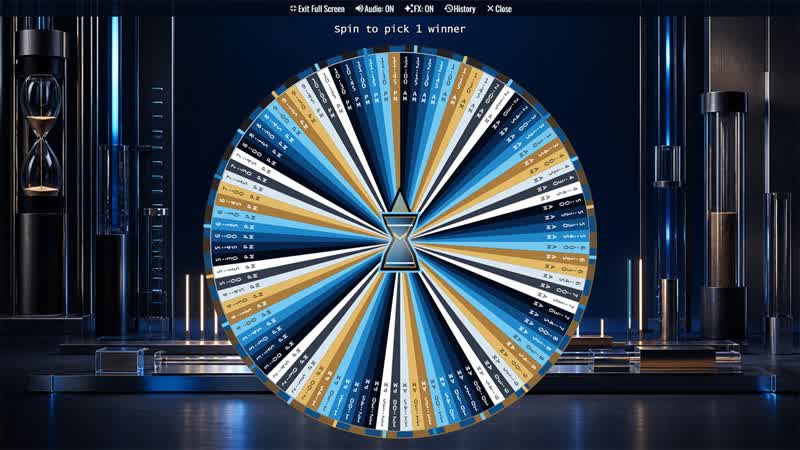
Random Time Generator Wheel
Randomly choose a time of day in fifteen-minute increments.
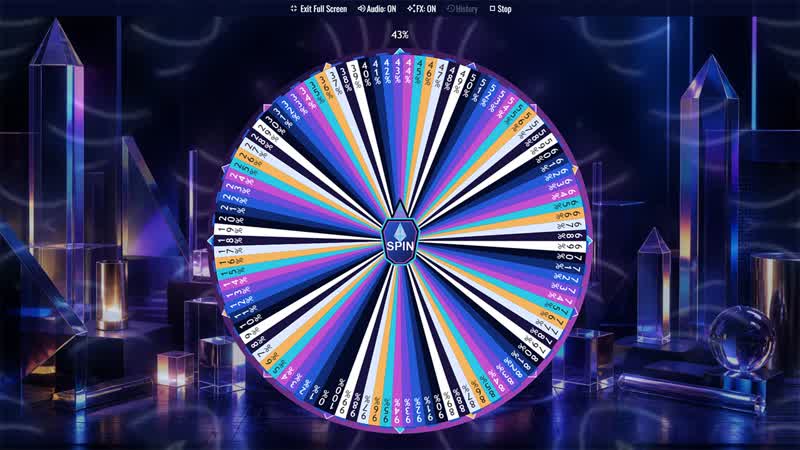
Random Percentage Generator Wheel
Randomly generate a whole percentage between zero and one hundred.
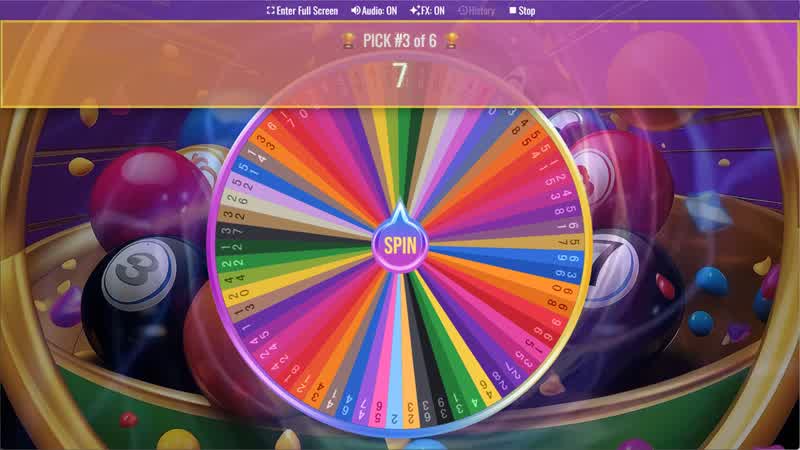
Powerball Number Generator
Spin the wheel to generate random Powerball lottery numbers.
About Number Picker Wheels
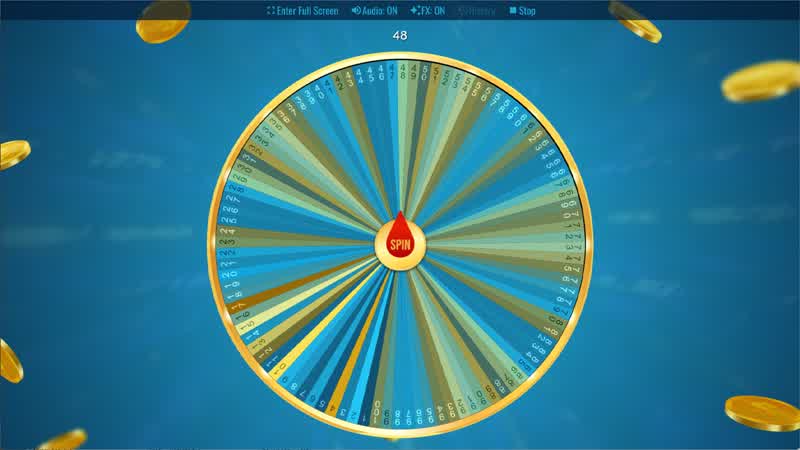
One of the defining features of spin wheels for number generation is that each slice represents exactly one number, making the probability perfectly uniform across the range. The 1–10 wheel has 10 slices, the 1–100 wheel has 100 slices, and the 1–1000 wheel has 1,000 slices — every number in the range has an exactly equal chance of being selected on any given spin. This is mathematically equivalent to a true random number generator for those ranges, with the added visual drama of the wheel animation. All wheels in this category are free to use instantly and can be duplicated and customized to create a number range specific to your activity.
If you are using number wheels for school, games, raffles, or quick choices, you may also like our classroom spinner wheels, game spinner wheels, giveaway wheels, decision wheels, Yes or No wheels, and sports spin wheels. These related categories work well when you need to choose teams, assign scores, pick raffle winners, create classroom groups, or settle a random decision.
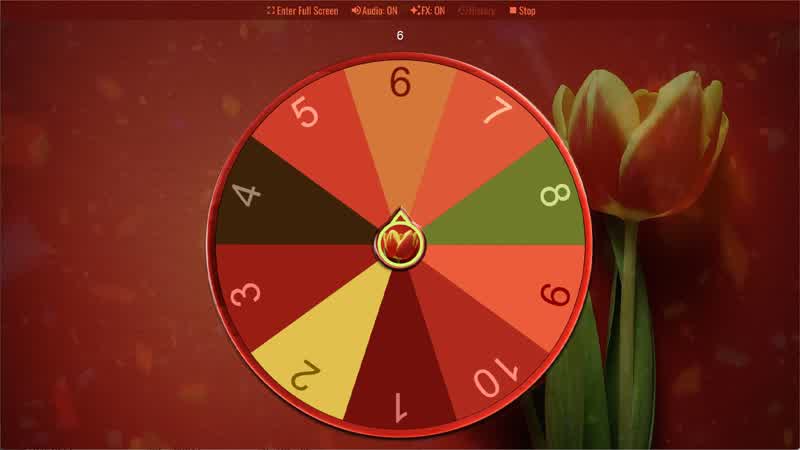
Random Number 1–10 Wheel
The Random Number 1–10 Wheel is the most-viewed number wheel in the category with 188 views. Its compact 10-slice format makes each result easy to read and the spin quick to resolve. Common uses include assigning numbered tasks or groups, playing number-based classroom games, running "guess a number between 1 and 10" activities, and giving players a random starting position or score multiplier in tabletop or party games. The large slice size means the result is unambiguous — no squinting at a narrow wedge on a large wheel. For classroom activities, this wheel pairs naturally with the Classroom category.
Random Number 1–20 Wheel
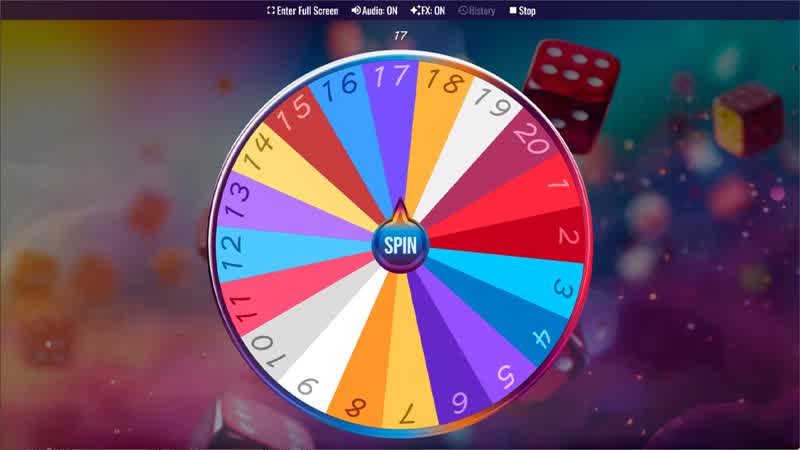
The Random Number 1–20 Wheel expands to 20 slices and is the second most-viewed number wheel with 116 views and 5 favorites — making it the most-favorited wheel in this category. It's a popular choice for tabletop RPG players who want a visual alternative to a d20 die roll, for teachers assigning numbered student seats or groups, and for any activity where the 1–10 range is too narrow but 1–100 is too broad. The 20-number range strikes a useful balance between specificity and a reasonable spin result distribution. For more tabletop or party activities, browse the Games category.
Random Number 1–50 Wheel
The Random Number 1–50 Wheel covers a 50-number range across 50 slices and is useful for mid-range raffle draws, probability classroom exercises, and numbered elimination games. At 109 views and 2 favorites, it's a steady-use wheel for situations where you need more granularity than 1–20 but don't require the full 1–100 range. It's also a practical choice for classroom activities where you have up to 50 students or items to randomly assign numbers to. If the number represents a winner, ticket, or prize entry, the Giveaways category is another strong related section.
Spin the Number 1–100 Wheel
The 1–100 Number Wheel is a classic general-purpose random number generator with 100 slices. It works well as a raffle ticket number draw for smaller events, as a classroom "guess my number" game facilitator, as a probability exercise tool for statistics lessons, and for any application where a round, recognizable number range is the most intuitive choice. The 100-slice wheel spins quickly and the tight segment layout makes it feel genuinely unpredictable, which is part of the visual appeal compared to a plain text randomizer. For broader random choices, you can also use the Decisions category.
Spin the Number 1–500 & 1–1000 Wheels
The large-range wheels — 1–500 and 1–1000 — are the most technically impressive in this category. With 1,000 individual number slices, the 1–1000 wheel is one of the largest wheels on the entire site. Both are used for high-entry raffles, large-scale classroom number draws, probability demonstrations where students observe distribution across a large range, and any creative activity that requires a wide number space. The 1–1000 wheel has been viewed 193 times, making it the most-viewed wheel in this category — suggesting that the large-range format genuinely fills a need that smaller number generators don't cover. For large contest or prize draws, these wheels connect well with giveaway wheels.
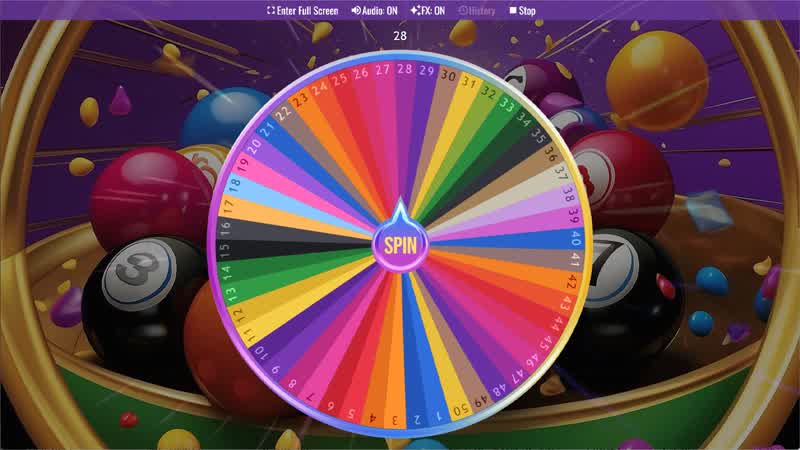
Powerball Number Generator Wheel
The Powerball Number Generator Wheel is the most focused wheel in the category — it's specifically designed to help pick lottery numbers using a 69-slice wheel covering the full range of valid Powerball white ball numbers (1–69). In a real Powerball drawing, five white balls are drawn from a pool of 69, plus a separate red Powerball from a pool of 1–26. The wheel here covers the white ball range, and spinning it five times generates a complete set of numbers across the valid range. It's used by lottery players who want a visually engaging alternative to a quick pick, or by anyone who wants randomized number sets without using the lottery terminal's built-in generator. For simple yes/no style random choices, the Yes or No category is a useful related page.
Using Number Wheels for Games, Classrooms & Giveaways
Number wheels are especially useful when the result needs to be visible to a group. Teachers can use them for math warm-ups, random groups, seat numbers, or probability lessons. Party hosts can use them for score multipliers, turn order, or mini-game rules. Giveaway organizers can use them to pick ticket numbers in a way that feels transparent because everyone can watch the wheel slow down and land. For sports pools, brackets, or draft order, number wheels also pair well with the Sports category.